


Slow living is not an indulgence. It is a return.

Luxury, measured in stillness.
“Designed with Restraint. Built for Longevity.”
Saptara was created with a simple intent: To build a retreat that ages well.
Instead of maximising rooms or visual drama, the focus is on proportion, circulation, and longevity. Every
element has been considered from a guest’s perspective, ensuring comfort without waste and beauty
without fragility. With only five cottages, the retreat prioritises quality over quantity. Guests are offered
space to settle in, rather than pass through.

To Build Gently Is to Build Forever
At Saptara, hospitality begins with respect for the land.
The retreat is designed to coexist with its environment rather than dominate it. Natural slopes, vegetation
and wind patterns were preserved and studied before construction began.
The philosophy extends beyond design. Service is warm but unobtrusive. Experiences are available but
never enforced. Silence is respected. The result is a retreat that feels balanced, environmentally,
emotionally, and operationally.
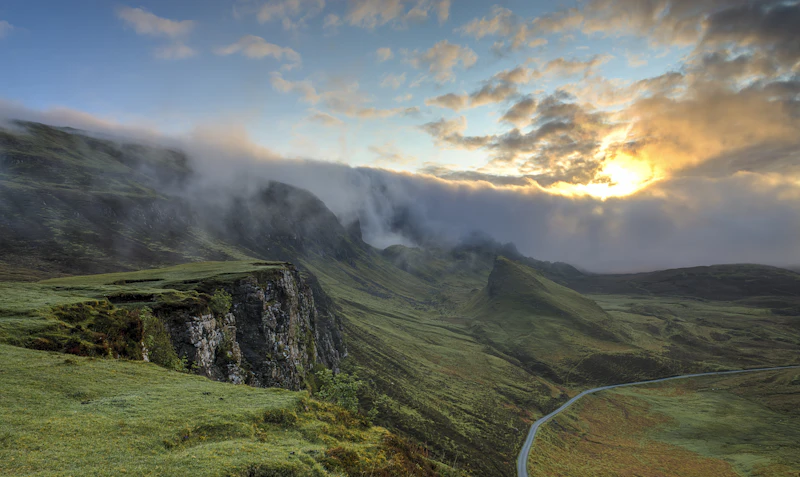
Living Lightly on the Land
The mountain’s natural contours remain untouched. No blasting. No aggressive excavation. Structures are
elevated to let land and water move freely. Indigenous planting restores itself, season after season.
Luxury here is quiet and honest. Local stone brings warmth and longevity. Pine wood carries the scent
and texture of the forest. Spaces are shaped for passive heating and natural airflow. Energy-efficient
systems work quietly, without intrusion.
First Impressions
Every structure is elevated lightly on the terrain, allowing the mountain to breathe beneath it.
Materials are chosen for durability, insulation, and ease of maintenance. Spaces are shaped to allow light,
airflow, and views to do the work. Interiors are warm without excess detailing. This approach reduces
environmental impact while enhancing long-term comfort and efficiency. The built form follows the
natural contours of the hillside.
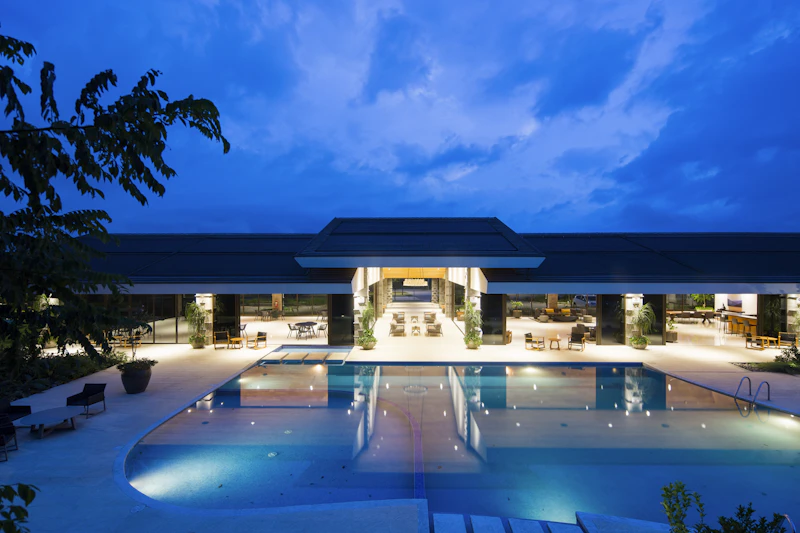
Sustainable Approach
Every architectural decision is guided by long-term sustainability. Minimal excavation, energy-efficient systems, and low-impact materials reduce environmental strain while improving operational efficiency. The result is a retreat that ages well, both aesthetically and ecologically.